Setup evaluation

Three repeatable
market structures.

Use these US30 patterns as hypotheses. Each one needs observable context, a confirmation rule, an invalidation point, and a risk limit before it becomes a trade plan.

48%
Positive · latest 50
351
Published outcomes
50
Rolling sample
Open
Positive + non-positive
Publisher-reported rolling sample. A positive-record rate is not a return; outcome size, costs, and execution matter. Not independently audited. View the complete results
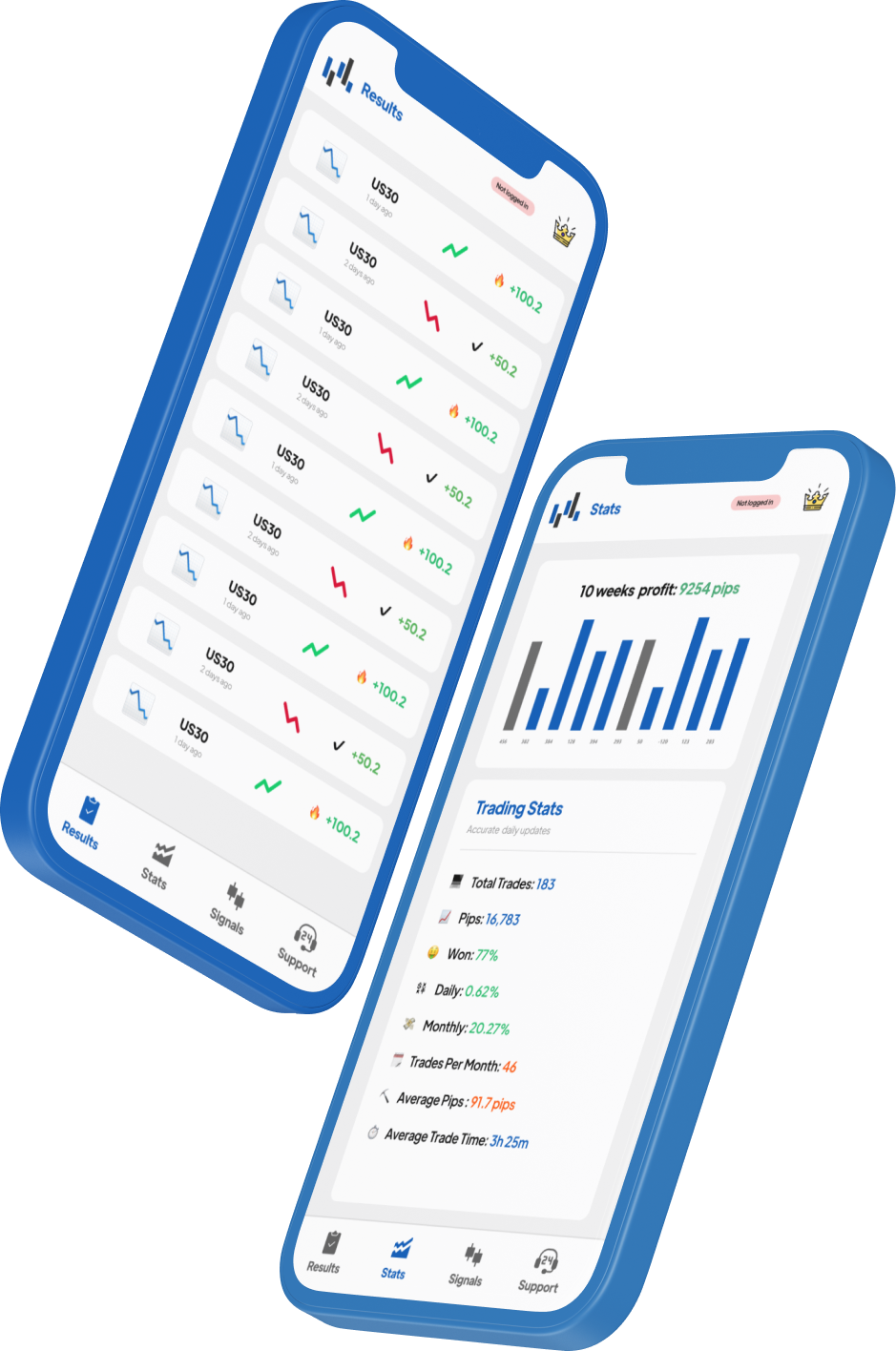
US30 Signals app screenshot
The framework

Describe what would prove the idea wrong.

Pattern names are only shorthand. Before using one, write down the market regime, timeframe, trigger, invalidation, target logic, and maximum cash risk. If those fields are missing, the setup is not complete.

01

Breakout and retest

Context

Price closes beyond a well-observed level, then returns to test it from the other side.

Confirmation

Look for acceptance beyond the level, a controlled retest, and renewed movement in the breakout direction.

Invalidation

The setup weakens if price closes back through the level or the retest becomes a full range re-entry.

02

Range rejection

Context

Price tests the edge of an established range and fails to sustain a move outside it.

Confirmation

Define the range first, then wait for rejection and a return inside rather than guessing at the first touch.

Invalidation

A sustained close outside the range, especially with expanding volatility, invalidates the mean-reversion idea.

03

Trend pullback

Context

A directional market pauses or retraces toward prior structure without breaking the broader trend.

Confirmation

Map the trend, the pullback zone, and the price action that would show buyers or sellers regaining control.

Invalidation

A break of the structure that defines the trend turns the pullback into a possible reversal.

Outcome review

Test definitions, not hindsight.

Freeze the rule

Write the trigger and invalidation before reviewing results so the definition cannot change after the outcome.

Use a complete sample

Include wins, losses, cancellations, spread, fees, slippage, and any setup that met the same rule.

Split market regimes

A rule can behave differently in trends, ranges, high volatility, and event-driven markets.

Separate signal from execution

Your entry timing, position size, venue, and costs may produce a different result from the published scenario.

Questions

Setups, probability, and risk.

Which US30 setup has the highest win rate?

There is no dependable universal answer. Results change with the definition, timeframe, sample, spread, fees, and market regime. Compare timestamped records and include failed setups.

Should I enter as soon as a pattern appears?

No. A visual pattern is context, not confirmation. Define the trigger, invalidation, and maximum loss before considering an entry.

Do these setups guarantee a profitable trade?

No. Any setup can fail, prices can gap or slip, and execution costs change outcomes. Use them as an evaluation framework, not a promise.

Review current signals Open the trading guide