Market comparison

US30 vs
Forex.

One references a U.S. equity benchmark; the other expresses one currency relative to another. The execution product determines the rest.

48%
Positive · latest 50
351
Published outcomes
50
Rolling sample
Open
Positive + non-positive
Publisher-reported rolling sample. A positive-record rate is not a return; outcome size, costs, and execution matter. Not independently audited. View the complete results
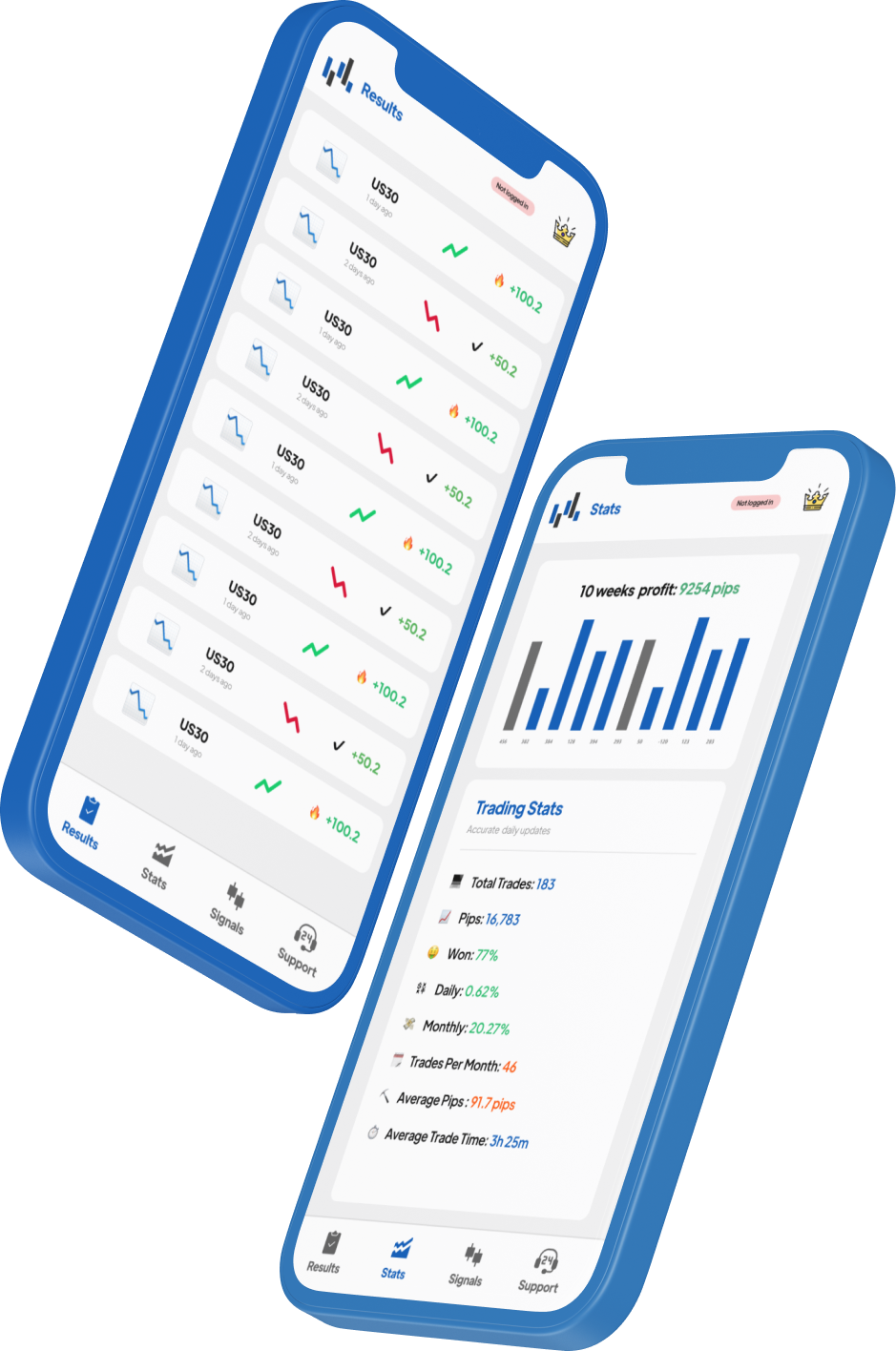
US30 Signals app screenshot
Direct comparison

US30 is commonly a broker label for a derivative linked to the Dow Jones Industrial Average. A foreign-exchange pair quotes one currency in terms of another. Neither label defines a universal contract size, leverage level, trading schedule, or level of risk; those come from the exact product and provider.

Reviewed September 2026

Use this page to
  • Identify the legal product, provider, quote currency, and price source.
  • For FX, calculate pip or point value for the specific pair, size, and account currency.
  • For US30, verify the CFD multiplier or the exchange-futures specification.
  • Compare cash risk, spread, financing, gaps, liquidity, and session access—not generic labels.

Index derivatives and foreign exchange can both be leveraged. Provider terms, liquidity, gaps, spread, slippage, financing, and currency conversion can make realised loss larger than a simple chart-distance estimate.

Underlying exposure

An equity basket is not a currency relationship.

01

US30-linked exposure

The reference benchmark is the price-weighted DJIA. Constituents, U.S. equity conditions, rates, and company information can all matter.

02

Foreign-exchange exposure

A pair is relative: EUR/USD, for example, reflects the euro price in U.S. dollars. Both sides of the pair and their policy environments matter.

03

Different market structure

Exchange futures, over-the-counter FX, and broker CFDs have different venues, counterparties, settlement, protections, and price construction.

04

No universal difficulty ranking

Volatility, spread, liquidity, and execution change by instrument and time. Neither category is inherently easier or suitable for beginners.

Risk calculation

Start with cash loss for the actual order.

01

US30 point value

A broker CFD can use its own contract size. YM and MYM futures use exchange multipliers. Never infer one from the other.

02

FX pip value

Pip value depends on pair, position size, quote currency, and account currency. Cross-currency conversion can be required.

03

Carrying costs

CFD financing, FX rollover, commissions, and futures expiry or roll can materially affect a position held over time.

04

Execution risk

Stops do not guarantee a fill price. Gaps, spread changes, slippage, rejected orders, and market closures can increase realised loss.

Frequently asked questions

Is US30 a forex pair?+

No. US30 usually refers to a derivative linked to the Dow equity index. It may appear on the same broker platform as FX pairs, but the underlying exposure and product specification differ.

Is forex safer than US30?+

No broad category is automatically safer. Risk depends on instrument, leverage, size, stop distance, liquidity, costs, gaps, provider terms, and the trader’s loss limit.

Can I use the same lot size on US30 and EUR/USD?+

No reliable comparison follows from the lot label alone. Calculate the value of the planned price move in account currency for each product separately.

Do US30 and forex trade at the same times?+

Schedules depend on the execution product and provider. FX, futures, cash equities, and CFDs can have different weekly openings, daily breaks, holidays, and rollover periods.

Index derivatives and foreign exchange can both be leveraged. Provider terms, liquidity, gaps, spread, slippage, financing, and currency conversion can make realised loss larger than a simple chart-distance estimate.
S&P DJI Dow overviewOfficial description of the underlying equity benchmark. BIS foreign-exchange surveyPrimary market-structure statistics for global FX activity. What is US30?Benchmark, futures, fund, and CFD distinctions. YM and MYM referenceExchange multiplier and tick-value checks.

Compare cash risk, not lot labels.

Verify the instrument, multiplier or pip value, costs, and invalidation before making an independent decision.